
Table of Contents
When the spectacle falters: the common problem buyers face
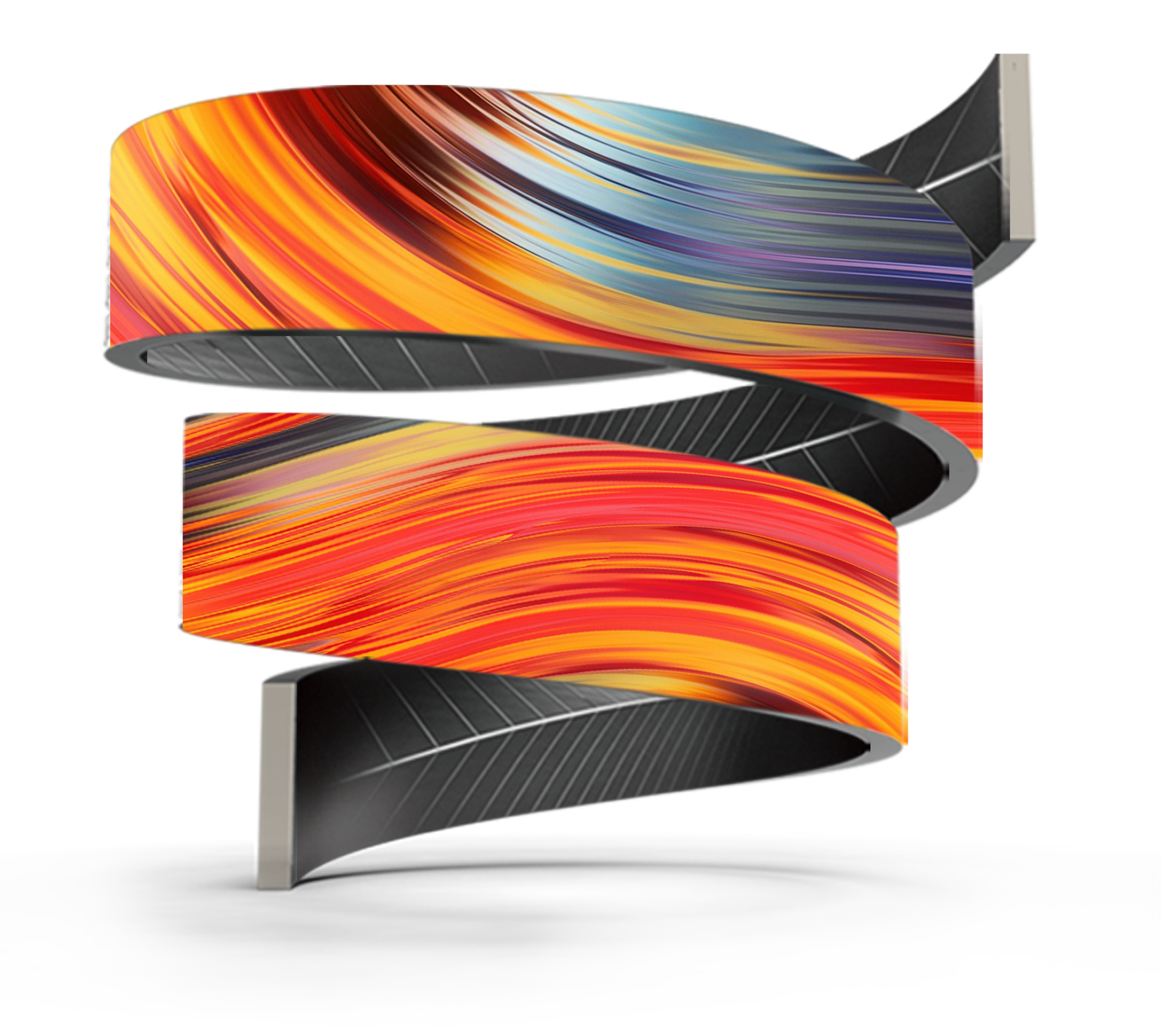
You’ve planned a show, an installation, or a retail moment and the LED wall becomes the worry: wrong color, visible seams, or a stubborn refresh-rate flicker that ruins the mood. This piece starts with that problem and stays practical. If you need a display that can curve, wrap, or follow an organic surface without looking like a patchwork, consider a flexible led screen early in your brief—it’s often the simplest way to avoid layout compromises and ugly joins.

Why those failures happen
Most failures are predictable. Specs that look good on paper don’t match venue constraints. Installers and integrators misread pixel pitch needs. Power and cooling are undersized. And content made for a flat rectangle gets stretched to death on a curved surface. Spell out where the display will live, how close the viewer will stand, and whether it must bend; those facts decide almost everything else.
Hard criteria every buyer must insist on
Demand these concrete items before you sign: native pixel pitch and viewing distance recommendations; true brightness measured in nits at operating temperature; refresh rate and grayscale depth for camera-friendly playback; warranty coverage for modules rather than panels; and clear service access plans. Ask for measured photometric reports and an on-site mockup or short-term rental if the design is unusual.

Technical trade-offs made simple
Tighter pixel pitch equals higher cost and more power. Flexible displays solve form problems but need careful mechanical support and protection from impact. Higher brightness helps outdoor legibility but shortens lifetime if cooling is poor. Choose what matters most: audience proximity, environmental durability, or sculptural form—and let that priority drive part selection.
Common pitfalls and how to avoid them
Buying by price alone brings mismatch: cheap cabinets can mean costly rework. Over-relying on installers’ memory instead of documented tolerances leads to surprises. Ignoring content aspect ratios forces either cropping or awkward letterboxing. Fix these by requiring test footage on the exact screen, getting a detailed installation plan, and specifying content pipelines that match the screen’s native resolution.
Alternatives to consider — quick comparisons
Standard rigid panels: reliable, economical for flat walls, easier to service. Fine-pitch indoor: perfect for close viewing but pricey for large areas. Flexible modules: unparalleled in creative forms but need bespoke framing. Micro-LED prototypes: fantastic brightness and lifetime, but still rare and expensive. Pick the class that aligns with viewing distance and the installation’s physical demands.
Real-world proof and a single clear anchor
At Milan Design Week, several immersive installations used modular, flexible displays to blend architecture and motion graphics; those projects showed how a well-specified creative led display screen can change how people move through space. That real event illustrates what works when designers and technical teams align: variable geometry, matched color calibration across modules, and preflighted content that respects the display’s resolution and gamma.
Simple pre-purchase checklist
Confirm viewing distance versus pixel pitch. Require photometric reports and a service-access plan. Verify thermal performance for your environment. Get a software compatibility statement for playback devices. Ask for sample modules and an on-site demo if the installation is mission-critical. Put acceptance criteria in writing—don’t leave image quality as a subjective afterthought.
The practical finale
Solve the core problem—mismatch between ambition and technical reality—by aligning priorities, demanding measurable specs, and validating with real tests. When designers, integrators, and buyers speak the same language, the display becomes a living part of the space, not a stubborn object. For projects that need form and fidelity together, that practical alignment often leads teams to solutions proven in large-scale creative installations, where careful specification and reliable supply make the difference—just the kind of outcome HDC is built to support.
