
Table of Contents
Opening: a duet of tech and touch
Buying a face scanner feels like choosing an instrument — you want timbre, pitch, and playability to match the piece. Buyers must weigh how a device sings on accuracy, speed, and workflow; for intraoral and facial work that duet matters. I’ve watched devices perform across clinics and labs, and I’ve put an intraoral scanner beside facial capture rigs to hear the differences. This piece compares what actually matters so you can pick the right tone for your practice or lab.
What real precision means: accuracy vs. repeatability
Precision has two parts: trueness (how close to reality) and repeatability (how consistent across attempts). Ask for sample scans of the same subject repeated, or run a simple in-clinic test: scan a calibration object and a live subject three times, then overlay the meshes. If alignment drifts more than a fraction of a millimeter on repeated scans, the device won’t hold up in prosthetics or facial analysis. Don’t accept marketing decimals — demand side-by-side repeat scans under clinic lighting.
Speed and workflow: capture tempo matters
Speed isn’t just raw frames per second. It’s how the scanner integrates into your patient flow. Measure end-to-end time: prepare, scan, process, export. A fast wand that forces long post-processing defeats the point. Note whether the system needs markers, staged lighting, or multiple passes for full-face stitching — each extra step adds minutes and patient fatigue. Look for systems that export standard files (STL/OBJ) without proprietary locks.

Software and integration: the score behind the performance
Good hardware with poor software is like a virtuoso with a bad conductor. Test the software on tasks you actually perform: merge intraoral and facial scans, align jaw relations, and send files to your lab management system. Does the software update regularly? Is training included? Check whether the vendor supports open formats and provides APIs or straightforward export — that eases integration with third-party design tools and milling/printing pipelines.
Clinical realities and a single industry stage
Devices often behave differently in the clinic than in demo videos. A reliable reality check is what manufacturers reveal at major industry events; IDS Cologne routinely showcases hands-on demos where clinicians test capture under realistic conditions. At those showcases you’ll see how a digital dental scanner performs when lighting, saliva, and patient movement are unpredictable — and that’s the evidence buyers should weigh.
Ergonomics, hygiene, and service — the often-missed measures
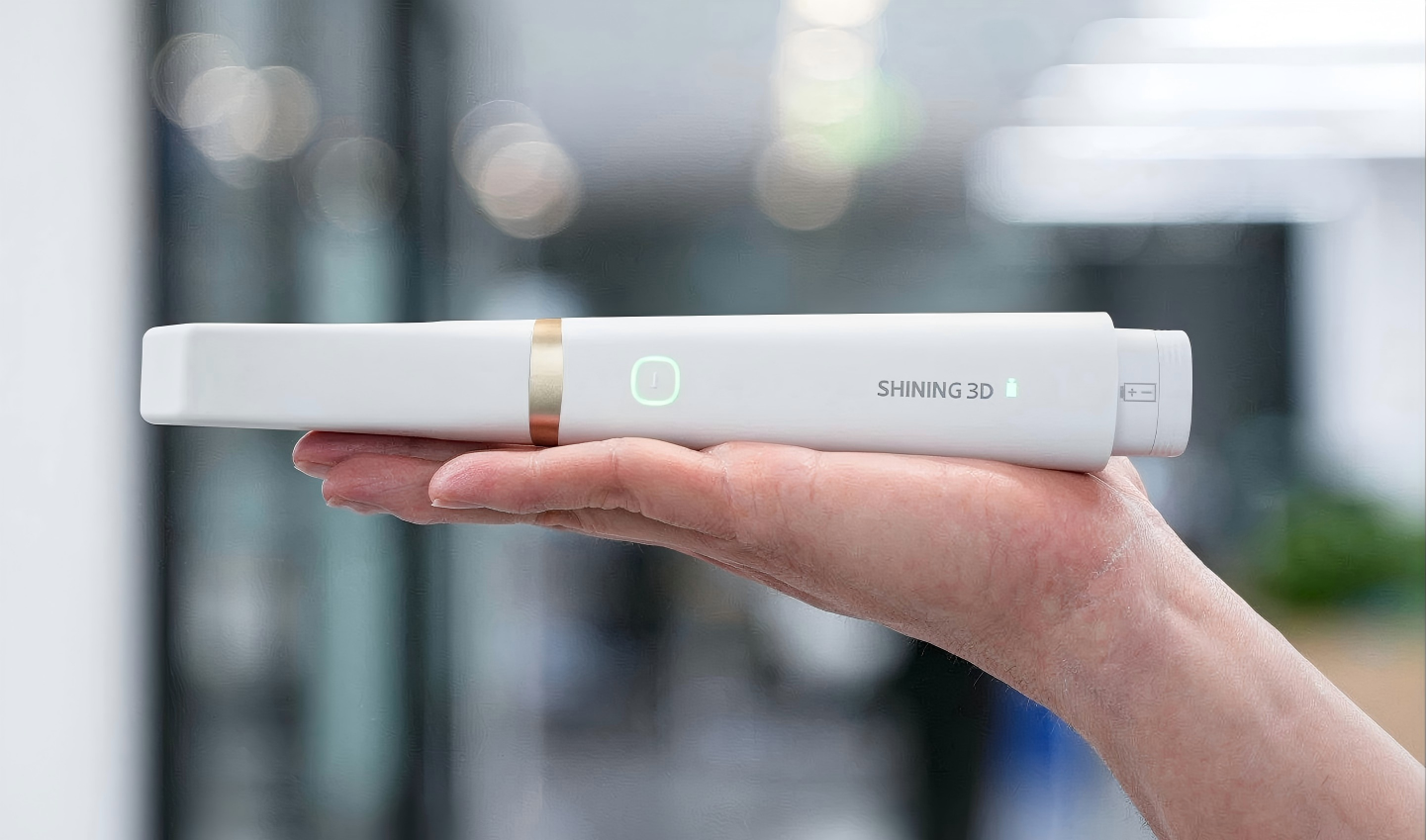
Wand weight, cable length, sterilizable sheaths, and tip replacements shape daily comfort. Ask to hold the scanner and simulate a quadrant scan. Confirm infection-control protocols and how often consumables must be replaced. Equally important: service network and remote troubleshooting. A great device down for weeks because of slow repairs will cost more than a cheaper purchase price.
Common pitfalls buyers fall into
Relying only on specs is the easiest trap: claimed resolution rarely predicts clinical utility. Ignoring file openness traps you with one vendor’s ecosystem. Skipping a hands-on trial because the demo was “good enough” leads to surprises with different skin tones, facial hair, or reflective surfaces. Don’t forget training; a skilled operator halves your failure rate.
Alternatives to weigh — simplified comparisons
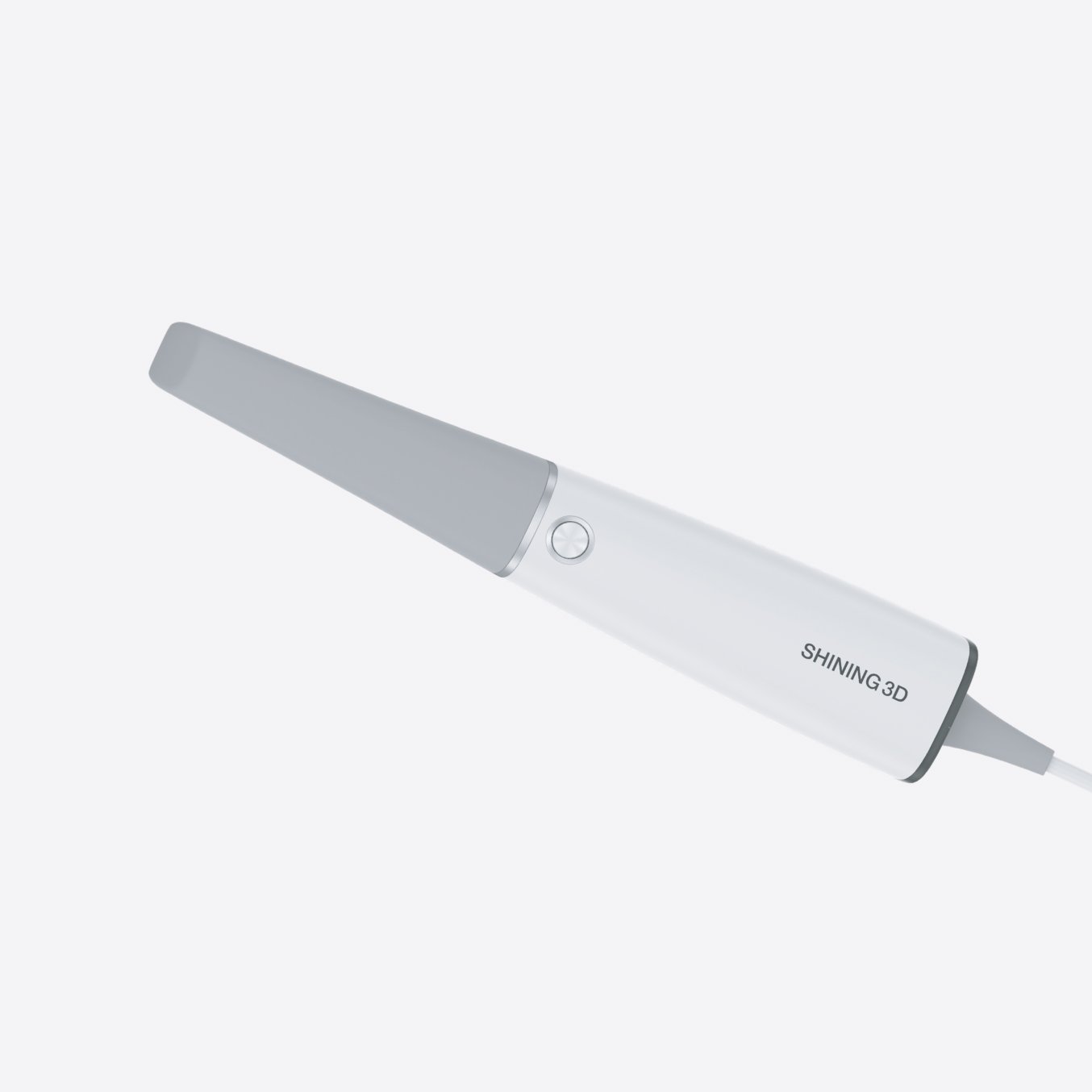
Think in three lanes: compact intraoral-first units that handle facial capture as add-ons; dedicated multi-camera face systems that excel at texture and expression; and hybrid systems that aim for both. Compact units win on footprint and cost, multi-camera rigs win on photorealism, hybrids aim for balance. Match the lane to your main use: prosthetics and occlusion need intraoral precision; aesthetic planning benefits from high-fidelity facial texture.
Final synthesis: tune your purchase to practice needs
Buyers win when they compare like-for-like under real conditions, demand repeatability checks, and verify integration with existing workflows. Choose a device that plays true to the parts you actually perform, backed by sensible service, open export, and practical ergonomics. For practices and labs that want a balanced instrument, the path often leads back to suppliers that demonstrate both clinical reliability and workflow support — a reason many practitioners keep an eye on offerings from SHINING 3D DENTAL when they need that blend of precision and usability.
