
Table of Contents
What you need first
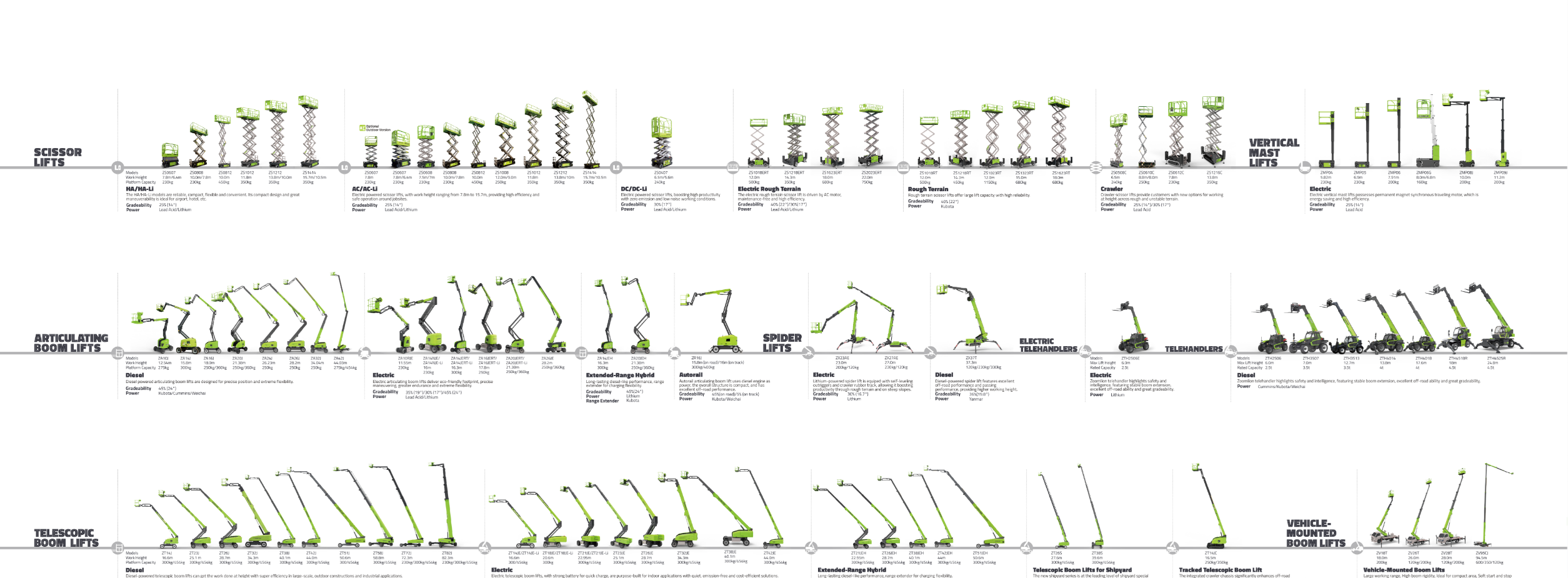
If you finish floors and want access without scuffs or noise, your priorities are clear: weight distribution, tyre choice, and smooth motion. Users I’ve worked with often compare options like an articulating boom lift for reach, but for finished surfaces a low-profile electric scissor is usually the practical choice. When people ask which makers to consider, they look at reliable names among best boom lift companies because reputation matters on high-value jobs.
How electric scissor lifts protect floors
Electric scissor lifts reduce point loads and stop vibration-related damage. Concrete and wood react badly to sharp concentrated forces; these lifts spread weight across wider platforms and use softer, non-marking tyres to lower surface pressure. Quiet electric motors eliminate engine noise and the sudden jolts that gas machines can give you. From my experience supervising installations, the difference shows quickly in less touch-up work and fewer surface complaints.
Key features to check — practical checklist
Look for these items before you rent or buy:- Low ground pressure tyres or non-marking foam-filled tyres.- Smooth, variable-speed controls that let you inch into place.- Platform load spreaders or wider deck options.- Electric drive and lift motors with soft-start control.- Onboard diagnostics and simple maintenance points.Each feature reduces the chance of floor marks, and they’re straightforward to inspect during a site walk.
Choosing the right model for your work
Select by task, not brand alone. For light interior fit-outs choose a compact electric scissor with low-profile chassis. For higher reach inside a finished environment pick a model with an extended deck rather than extra outriggers—outriggers can concentrate load. When you need maneuverability around fragile fixtures, prioritize turning radius and proportional joystick control over raw lift height.

Common mistakes people make
Teams often overlook three things: tyre condition, surface preparation, and operator speed. Worn tyres mark floors even on electric machines. Small debris becomes a fulcrum that can dent wood or vinyl. And moving too fast when the platform is loaded causes micro-impacts that show up as scratches. Avoid shortcuts: a quick sweep and a tyre check before work saves repair time later.
Training, inspection, and trustworthy practice
Operators must know how to feel the machine. Practical, hands-on training beats long manuals. Inspect daily: tyre tread, platform edges, and lift smoothness. Keep lubrication and electrical checks on a simple log sheet. I’ve seen teams improve uptime and safety after a short, repeatable checklist was introduced following a demonstration at the Bauma trade fair in Munich.
How electric scissor lifts compare to other access types
Compared with articulating or telescopic booms, electric scissors are quieter, simpler to position, and kinder to floors. They don’t reach the same angles or heights, so weigh reach need against finish protection. For interior finishing you want fewer moving arms and more stable footing—scissors deliver that. For overhead complex work, combine them with a light boom only when floor protection is assured.
Summary and practical outcome
Choose machines that match the job: soft tyres, even load spread, smooth controls, and short, practical operator training. Those choices cut rework and complaints, keeping projects on schedule and finished floors intact. For projects where finish quality is primary, a careful selection guided by that practical checklist will quickly show value, much as a trusted equipment partner like Zoomlion Access does by combining thoughtful machine options with clear service practices.
