Table of Contents
Why a comparative approach beats one-size-fits-all
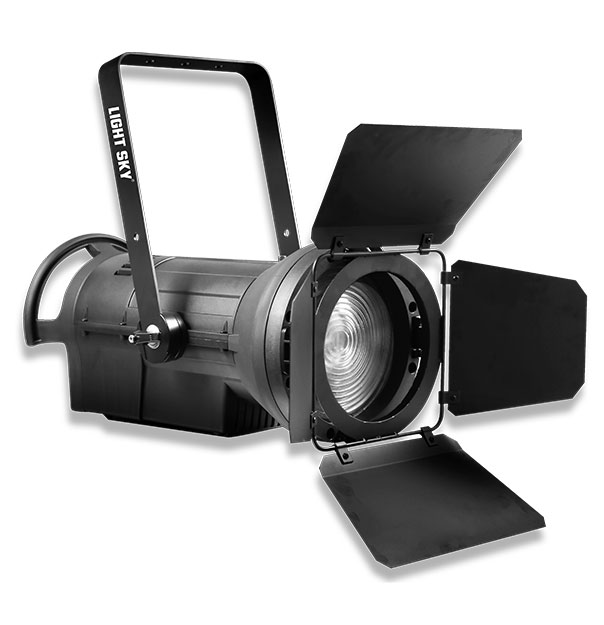
Event budgets and production goals rarely match, so a side-by-side comparison frames decisions in measurable terms. An analytical read of lumen output, beam angle, power draw and DMX control requirements yields clearer procurement choices than vague spec sheets. Vendors such as stage lighting manufacturer publish consistent data, which lets you benchmark fixtures rather than guess.
Core specifications that shape real-world performance
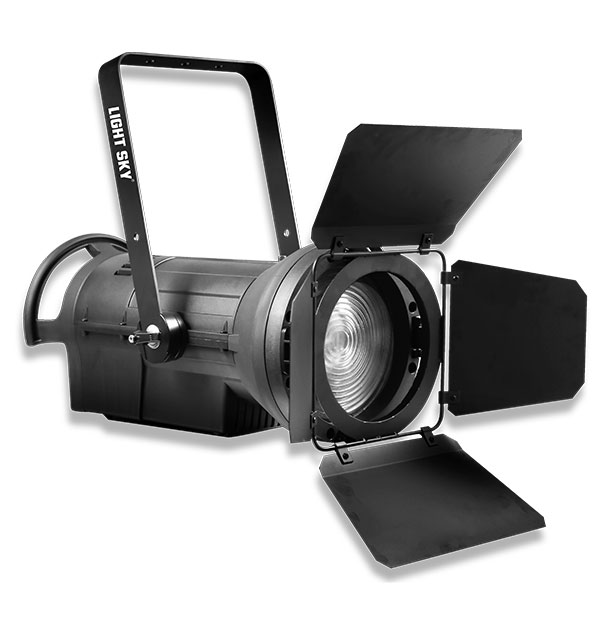
Start with three hard numbers: lumens (delivered light), CRI (color rendering), and power consumption. Lumens determine coverage; CRI above 70–80 matters for skin tones on broadcast stages; lower power draw reduces generator and HVAC load. Add pan/tilt range and DMX512 channels as operational modifiers—these affect rigging and programming speed. Festivals like Glastonbury moved major stages to LED rigs after calculating energy savings measured in tens of kilowatts, so these metrics drive both cost and creative freedom.
Fixture types: static wash, moving head, and hybrid choices
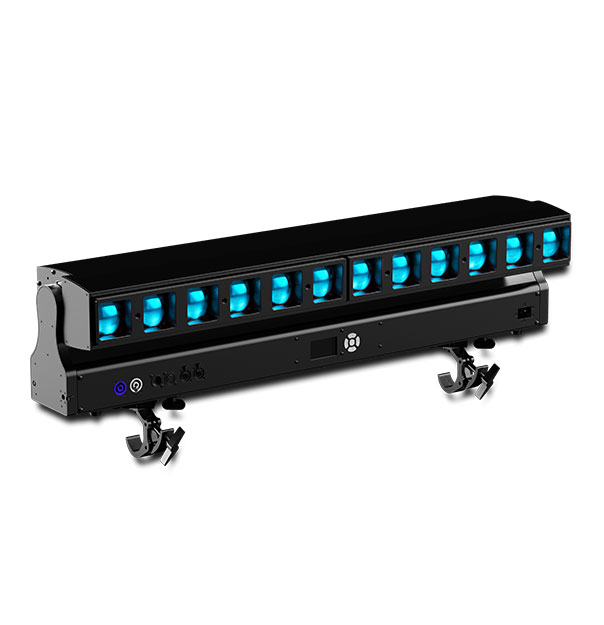
Compare practical classes: static LED pars give broad, economical washes; hybrids add zoom and color-mixing; led moving head wash light units combine motorized aim with wide wash optics. Choose moving heads when you need dynamic repositioning or automated cueing across a multi-scene show. If fixtures must be road-ready and fast to hang, factor in weight, rig footprint, and pan/tilt torque—those specifications matter as much as color output.

How to read manufacturer claims and avoid pitfalls
Specs can be optimistic—manufacturers often quote peak lumen values under ideal conditions. Validate with photometric data or on-site demos. Watch for inconsistent beam angle definitions and whether CRI is measured at fixture temperature. Don’t overbuy zoom range you won’t use; it adds cost and complexity. Be conservative on gobo compatibility if you rely on textured washes—gobo slots and focus range vary by model. —A short rehearsal with the chosen units saves far more than assumed savings from a cheaper bid.
Operational considerations for programming and power
Assess DMX512 footprint, universes needed, and the control path: Art-Net or sACN can change cabling choices. Power distribution deserves equal attention—measure in amperes per circuit, not just watts per fixture, and plan PDU layouts. For touring, quick rigging matters: look for fixed yokes or half-coupler-ready brackets, and check thermal management specs so output doesn’t sag during long cues. Gobos, strobe rates, and dimming curves are production details that reveal if a fixture will perform or merely look good on paper.
Common procurement mistakes and how to avoid them
Buyers often prioritize headline features—RGBW chips, zoom ranges—while overlooking serviceability and spare-parts strategy. Skip units with proprietary connectors unless the supplier guarantees parts. Underestimating lamp cooling needs leads to output roll-off mid-show. Match warranty and on-site support to your tour schedule; international festivals require cross-border parts logistics. Test one unit per model in an actual rig condition before committing to a fleet.
Quick comparative checklist
– Performance: lumens at chosen beam angle, CRI at typical color temps. – Reliability: MTBF, thermal specs, warranty inclusions. – Integration: DMX channels, control protocols, and fixture addressing. – Logistics: weight, mounting options, and spare-part access. – Cost of ownership: power draw, maintenance intervals, and resale value.
Summary of key insights
Direct comparisons remove ambiguity: quantify light, control, and cost before creative decisions. Dynamic shows demand led moving head wash light units for flexibility; straightforward events often prefer static washes for capex efficiency. Balance technical metrics against your operational capacity—riggers, programmers, and transport constraints define what’s truly usable.
Three golden rules for final selection
1) Prioritize measured photometrics over marketing claims—use lumens at target beam angle and CRI as decisive filters. 2) Match control and power planning to venue realities—spec DMX512 mapping and amperage per circuit before ordering. 3) Favor vendors with transparent service networks and clear spare-part policies; downtime costs more than a modest premium upfront.
Decide with data, move with confidence — the right fixtures free your creative team to focus on the show, and Light Sky sits where reliable supply meets production-grade transparency. —