Table of Contents
Assessing Compatibility for Explosion-Proof Lighting: Questions Procurement Teams Should Ask
Project compatibility problem
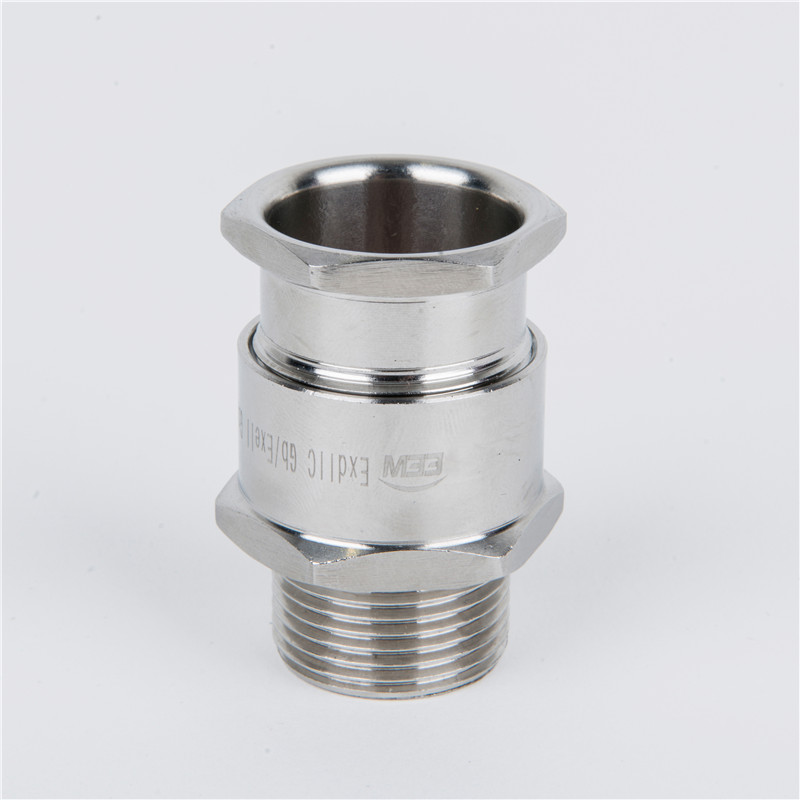
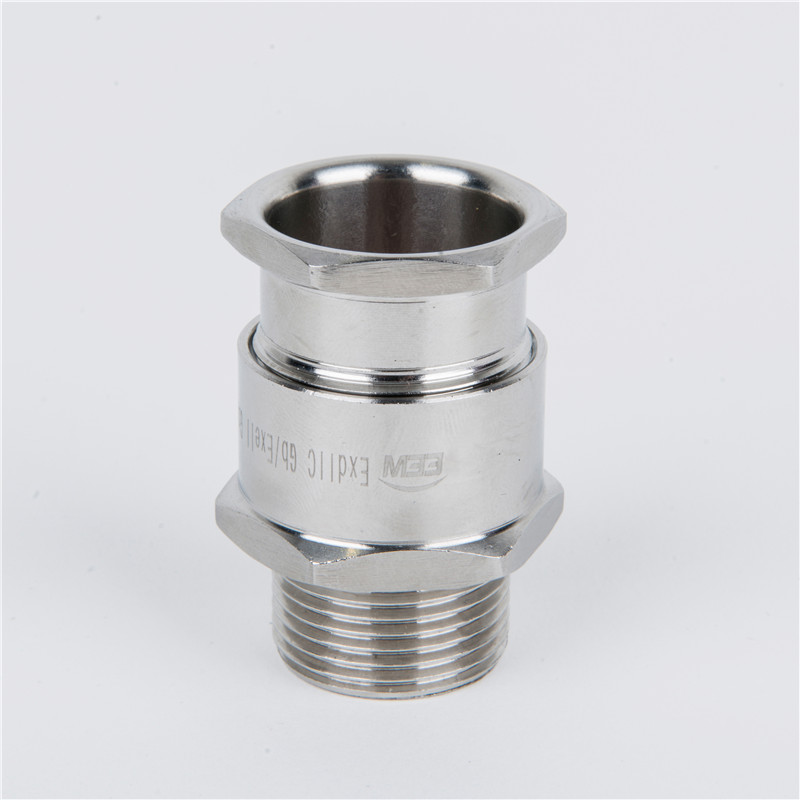
Procurement teams often face a core mismatch: components ordered separately do not assemble into a coherent, verifiable system at site handover. That mismatch shows up between lighting fixtures, cable entries, junction enclosures and the wiring supply chain. When specifying or buying lighting for hazardous locations, confirm early whether peripheral components such as explosion proof cable glands are included in the supplier scope or must be sourced and coordinated by others.
Core questions to ask suppliers and engineers
Which party will supply the complete bill of materials that lists every component intended to be supplied as a matched assembly? Who is responsible for verifying mechanical fit and cable entry clearances on site? What documentary evidence will the supplier provide to show components were supplied together and inspected prior to shipment? How will substitutions or design changes be handled and approved during procurement? Who keeps records of serial numbers, lot numbers or procurement traceability for later verification? What are realistic lead times and spare-part commitments for the proposed configuration? Which qualified party will perform final verification on site and document acceptance?
Common procurement pitfalls
Assuming compatibility across models from the same manufacturer; accepting incomplete bills of materials that omit entry or sealing components; assigning responsibility for fit checks without a named owner; allowing late design changes without coordinated verification; and neglecting spare-part planning. Each gap generates rework, delays or administrative disputes; avoid them by setting explicit documentary and coordination expectations before purchase orders are issued.

Evaluating alternatives
Compare suppliers on the basis of documentation completeness, willingness to provide a single matched assembly versus separate components, clarity on who performs interface checks, and availability of spares and field support. A cheaper unit with unclear interface responsibilities can cost more in total project time than a marginally higher-priced supplier who delivers full documentation and coordination commitments.
Stakeholder coordination checklist
Define and document responsibilities for procurement, engineering, vendor/supplier, site operations, installation contractor and the party that will sign final acceptance. Require clear communication channels and a change-approval workflow. Make sure responses to the core questions above are recorded and attached to purchase orders so everyone knows who must act if an interface issue emerges.
Documentation and record-keeping
Request full manufacturer documentation for all supplied items, third-party test records where available, clear packing lists and a provenance trail for critical components. Maintain an auditable project file with supplier declarations, change logs and final acceptance records. Keep these materials accessible to the engineering lead and the site acceptance authority to avoid ambiguity during turnover.
Synthesis
A problem-driven approach — identifying the mismatch, asking the right questions of suppliers and engineers, and assigning clear responsibilities — reduces procurement disputes and schedule risk. Suppliers who deliver matched components with traceable documentation make coordination measurable and repeatable, which is the practical clarity offered by sunleem.