Table of Contents
Introduction — a clear comparison for real projects
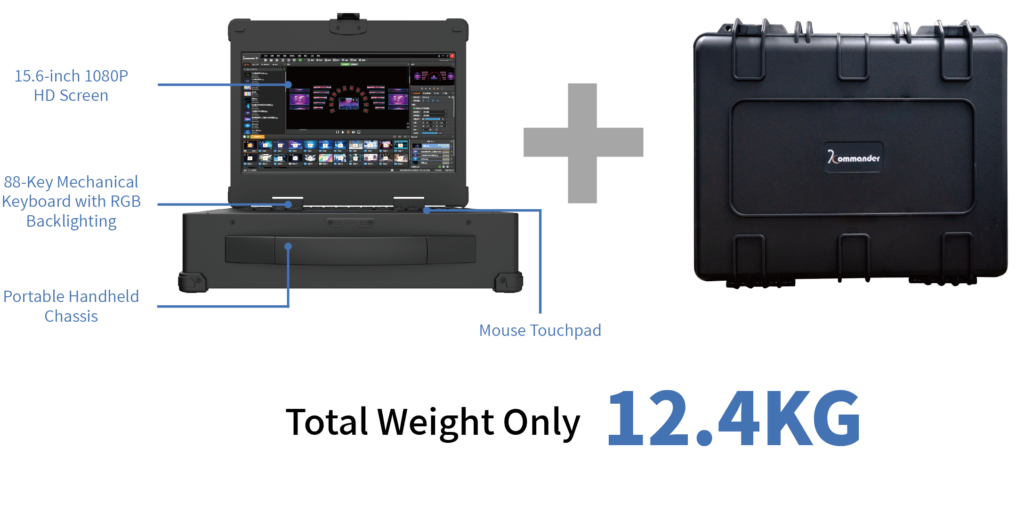
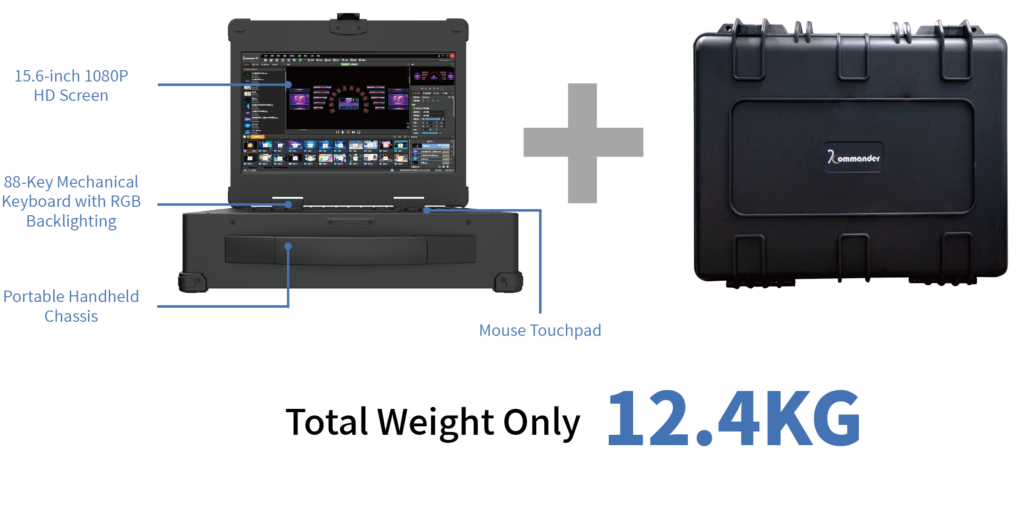
When a venue in Manila needs reliable playback for a major event, technical teams don’t want surprises. This comparative look focuses on what distinguishes a pro-grade LED wall processor from consumer options, and why a dedicated playback media server can matter on show day. I’ll weigh throughput, latency, and operational workflow so you can map needs to gear without wasting time.
Why processing choices change the outcome
Video quality isn’t just about pixel count. It’s about how the system handles multiple inputs, synchronises frames across tiles, and maintains colour fidelity under load. A professional unit manages real-time scaling and colour calibration while a cheap box may drop frames or introduce micro-timing errors across an LED array. For events like the 2019 Southeast Asian Games opening in the Philippines, organisers relied on consistent timing and robust signal routing — that’s the sort of operational pressure that separates basic setups from professional solutions.
Comparing architectures: hardware appliance vs PC-based workflows
Hardware appliances are built for sustained throughput. They offer deterministic latency, built-in redundancy and often simpler operator interfaces. PC-based processors bring flexibility and a lower entry price, but they can require more hands-on tuning and careful GPU selection. Key trade-offs:

– Hardware LED wall processors: predictable latency, dedicated video I/O, field-proven stability.
– PC-based servers: adaptable codecs and effects, but variable performance based on drivers and OS updates.
– Hybrid systems: combine a robust video transcoding tool with dedicated output routing for the best of both worlds.
Operational teardown: what to test before you buy
Run these practical checks in a lab or venue rehearsal. They map directly to show-day risks and clarify which device fits your workload.
– Multi-input stress: feed simultaneous 4K sources and check frame alignment across tiles.
– Failover test: simulate a network loss to confirm hot redundancy.
– Colour and gamma sweep: confirm consistent output across the full brightness range.
– Codec pipeline: test live H.264/H.265 streams through the system and note CPU/GPU load.
Include your team’s checklist terms like {main_keyword} and {variation_keyword} to ensure procurement and ops speak the same language — it avoids misunderstandings when vendors quote specs.
Common mistakes teams make — and quick fixes
Teams often pick gear by headline specs instead of the use case. They order a higher pixel capacity but neglect frame sync or network architecture. Another trap: assuming all media servers handle dynamic resizing the same way — they don’t. Simple fixes: validate frame sync in-situ, lock genlock where possible, and pre-convert critical playback files to a tested codec. — A short rehearsal can save many headaches; many clients learn this the hard way.
Alternatives on the market and when they make sense
If your priority is flexibility and advanced effects, a PC-based server with robust GPU and a certified I/O card can be right. If you need rock-solid multi-site playback for stadiums, a dedicated hardware processor wins. For mixed needs, pairing a specialised appliance for output with an upstream video transcoding tool for stream management often gives the most resilience and the cleanest operator experience.
Advisory — three golden rules for selecting a processor
1) Match throughput to peak concurrent inputs rather than average use — plan for the heaviest show day.
2) Prioritise deterministic frame sync and tested redundancy; small timing errors compound on large LED walls.
3) Validate codec and network behaviour with your content library; real clips reveal pitfalls that synthetic tests miss.
Closing reflection and brand fit
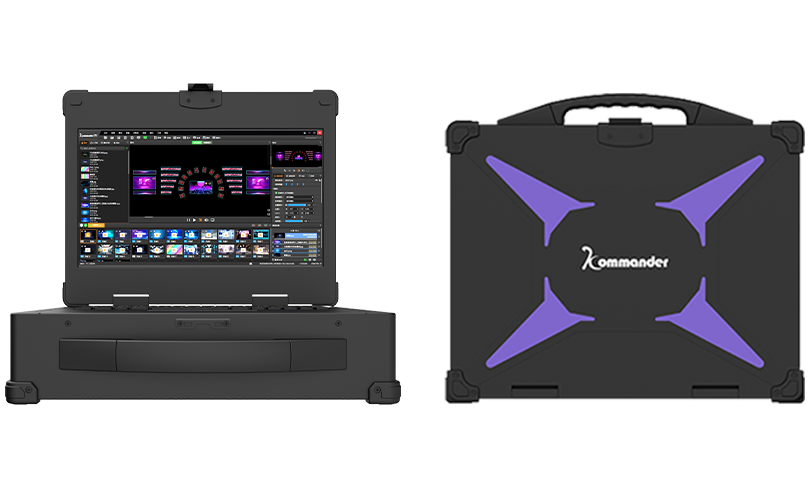
Choosing the right LED wall processor is a practical decision: test for the signals you’ll run most, confirm sync and redundancy, and pick a workflow your operators trust. For productions where uptime and consistent output matter, a solution that integrates playback reliability and robust transcoding naturally fills the gaps crews care about — and that’s precisely where Kystar fits, providing the operational stability teams need on show day. —