
Table of Contents
Spot the problem
Right, mate — you’ve got a clever idea, but your prototype’s more muppet than miracle: slow turnarounds, parts that don’t fit, and a manufacturing cost that eats your pint money. The trouble usually isn’t the concept; it’s the mismatch between the prototype route you picked and the product goals. If you rely on one technique alone, you’ll stall. That’s where thoughtful choices — like short-run CNC, injection mould trials or die casting services for certain metal parts — change the whole picture.
Why it happens
Listen — teams pick methods by habit, not by need. They grab the quickest quote or the familiar vendor and hope for the best. The real causes: unclear tolerances, wrong material choices, and late-stage design changes that force rework. Time and money drain fast when the prototype path doesn’t reflect whether you’re proving form, fit, function, or manufacturability.
Practical fixes — the problem-driven playbook
Start by naming the problem. Want to validate ergonomics? Use low-cost 3D prints. Need structural performance? Go for machined or cast metal. Set acceptance criteria: tolerances, surface finish, lifecycle expectations. Then pick the process that solves the specific problem, not the one your mate down the road recommends. Schedule checkpoints tied to those criteria so decisions aren’t guesses. For metal parts that must reflect production behavior, plan a short-run pilot with proper tooling rather than overspending on a full-production die upfront.

How to sequence decisions
Order matters. Lock down geometry and interfaces before final material choices. Validate form with quick prototyping, then stress-test selected designs using representative materials. If a part will be metal in production, test a metal prototype early — it reveals thermal, stiffness, and assembly surprises you’ll miss with plastic mock-ups. Keep iterations tight: smaller, faster changes beat occasional big overhauls.
Common mistakes and how to dodge ’em
Don’t assume every prototype must be production-perfect. Overengineering in early stages wastes time. Equally, don’t skimproof manufacturability: poorly designed draft angles, wall thickness, or assembly features ruin short-run viability. Avoid changing core interfaces late — if you must, treat the change as a new sprint, not a patch job. And don’t treat cost-per-piece of a one-off like volume tooling economics; compare like for like.
Experience and evidence
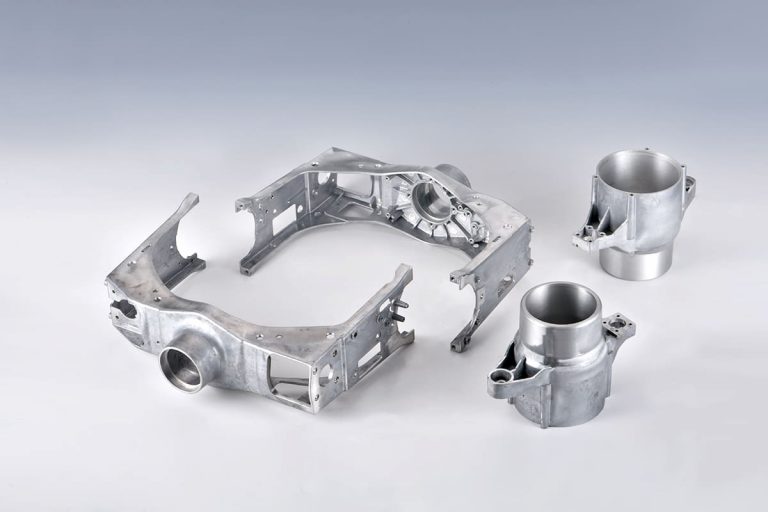
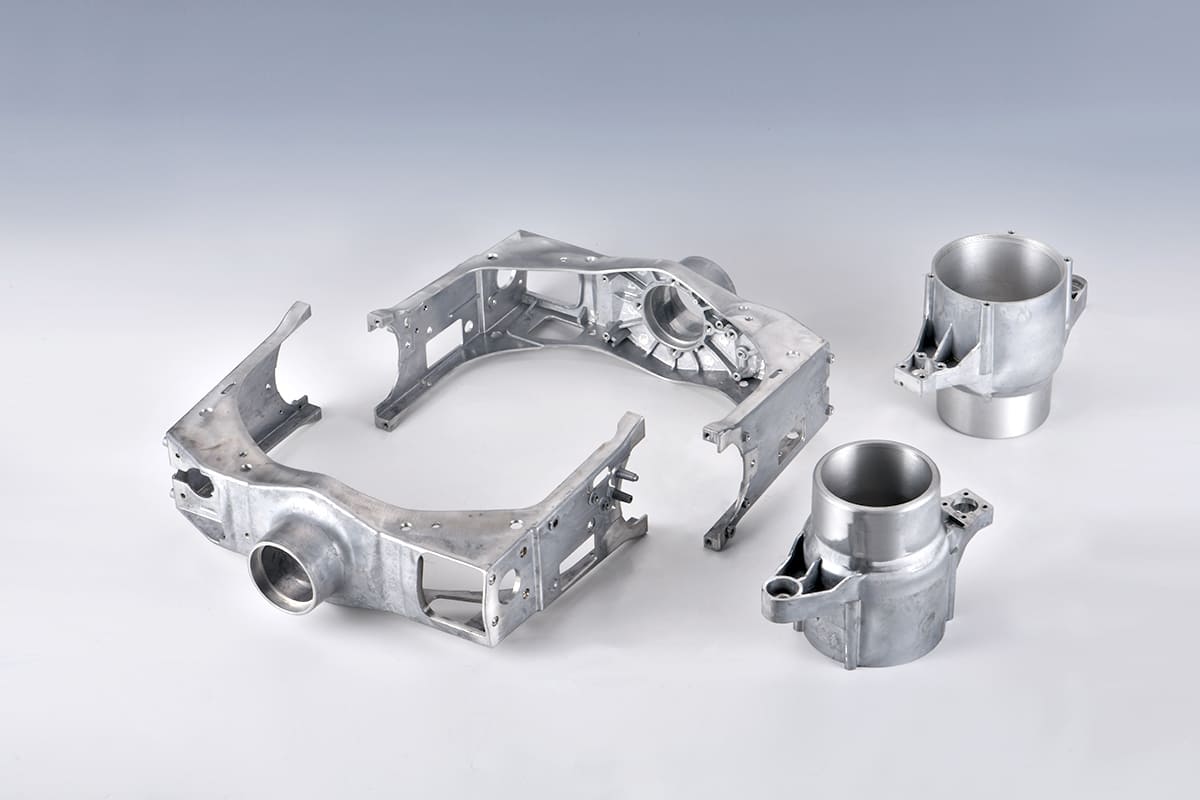
I’ve seen teams recover from dead-ends by matching method to objective. Real chops come from mixing hands-on shop time with supplier know-how. A lot of usable lessons come from places like Detroit’s automotive manufacturing cluster, where engineers test prototype metallurgy and assembly at scale — those projects reveal how early die choices affect downstream assembly and performance. For metal-heavy pilot runs, a specialised die casting service can produce parts that behave like production pieces, letting you validate both design and assembly without committing to giant tooling expenses.
Alternatives and trade-offs
Option A: Rapid 3D printing — great for form and ergonomics, cheap and fast, but weak on accuracy and material fidelity for metal-like behavior. Option B: CNC prototype machining — precise, good for functional testing and small runs, but cost climbs with complex geometries. Option C: Short-run die casting or low-volume tooling — higher upfront but yields production-like metal parts faster; ideal if the product’s performance depends on metal casting properties. Pick based on which performance metric breaks the product if it fails.
Final thinking
Sort the problem first, then pick the tool. Be ruthless about what you need to prove at each stage, and use prototypes to answer those exact questions. When metal behaviour or assembly reality matters, leaning on partners who deliver production-like pilot parts will shorten your feedback loops and raise confidence. For teams that learned the hard way, sensible sequencing and the right manufacturing partner make the difference — and that’s precisely what you notice when a project moves from sketches to reliable parts with Hanstar.
