Table of Contents
The problem nobody admits
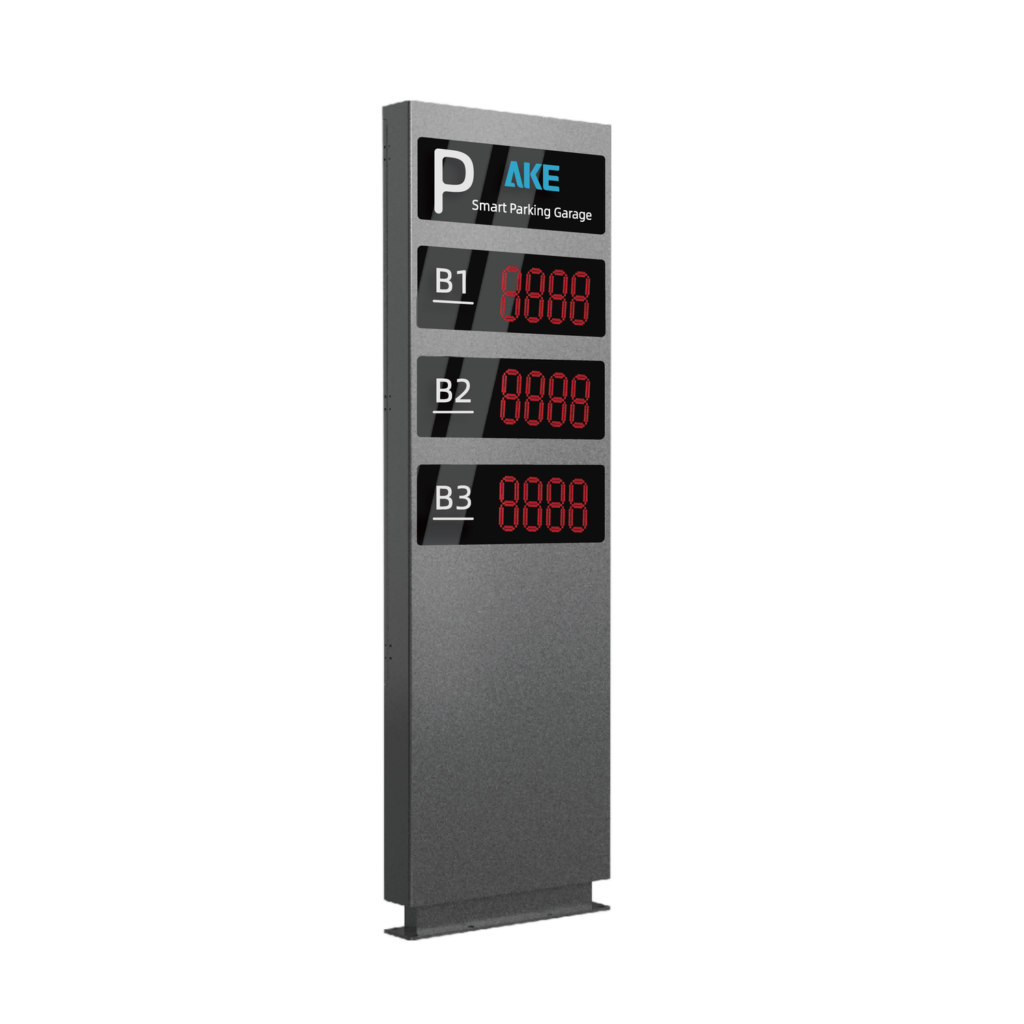
Municipal lots and shiny new developments promise “smart” parking, then deliver sensors that die in winter and dashboards no one trusts; a functioning parking guidance system gets specified on page 14 and ignored on page 15. The pattern is predictable: spec a feature, hope it self-heals, then explain away the failures at the procurement meeting. This piece will focus on the problems first—because if you don’t fix those, the rest is decoration.
Where projects derail
Sensors are fragile. Wiring is treated like optional art. Data formats change between vendors. Buyers assume software is “free” with hardware. Engineers assume the field team will keep everything calibrated. Those assumptions create a cascade: unreliable occupancy data, frustrated drivers, angry property owners, and crying procurement officers. The technical layers are simple; the human choices are not.
What matters technically—and what gets ignored
Start with durable local sensing and clear failure modes. Define how each component behaves when it fails: does a dead sensor default to “unknown” or “occupied”? Use simple, open telemetry so you can monitor health without vendor GUI lock-in. Think about power: battery swaps are a recurring operational cost, while low-voltage runs need planning during construction. Include edge filtering to reduce false positives before data hits the backend. Plan firmware updates: if you can’t push patches reliably, you’ll be maintaining devices by truck roll instead of remotely.

Common procurement mistakes buyers keep repeating
Contracts that emphasize feature checklists rather than warranties and service levels are traps. Don’t buy by headline (AI-enabled!)—buy by measurable uptime and mean-time-to-repair clauses. Insist on a testbed period with real load. Avoid proprietary formats that lock data in; demand exportable, documented APIs. Specify clear responsibilities for telecom, power, and civil works—ambiguity becomes finger-pointing during outages.
How to evaluate alternatives without falling for hype
Compare systems on three pragmatic axes: failure visibility, field maintainability, and integration openness. A beautiful app with opaque diagnostics loses to a clunky dashboard that tells you which sensor failed and why. Favor vendors who publish hardware and software maintenance processes. If a vendor resists providing a local health feed or detailed SLA, take that as a red flag—not clever negotiation.
Real-world proof and practical authority
San Francisco’s SFpark pilot is the sort of real-world test that separates talk from practice, demonstrating measurable changes when city teams pair pricing, signage, and accurate detection—evidence you can read up on if you need verification. My experience advising municipal clients and integrators for over a decade shows the same lesson: clear operational contracts and honest diagnostics reduce downtime and political headaches. City programs that succeeded treated the technical stack and operations as a joint responsibility, not a vendor checkbox; see how an applied city parking management system operates when those pieces align.
Pitfalls during implementation
Don’t let deployment be a surprise event. Test sensor placements during peak and off-peak conditions. Validate network throughput with real telemetry spikes. Schedule maintenance windows in advance and keep spares on-site. Train on-call staff on patch rollbacks; a bad firmware push is a predictable outage if you haven’t practiced recovery. Finally, measure driver experience—if people still circle for eight minutes, the system isn’t delivering, regardless of uptime stats.
A compact technical checklist
Require: documented failure modes, remote firmware management, exportable APIs, on-device caching for intermittent networks, SLAs with clear response times, a plan for power provisioning, and an operations playbook for field teams. Add: a small test deployment before site-wide rollout and a schedule for periodic recalibration. If a solution hits all those points, it’s worth a deeper technical audit.
This is the sensible path forward
Stop treating smart parking as a feature list and start treating it as an operational system: durable hardware, honest diagnostics, and contracts that make maintenance routine instead of miraculous. When those pieces line up, the city, the operator, and the driver all stop arguing and start parking. That practical alignment is precisely what AKE Parking builds into its systems, solving the predictable problems engineers and buyers keep re-inventing.