
Table of Contents
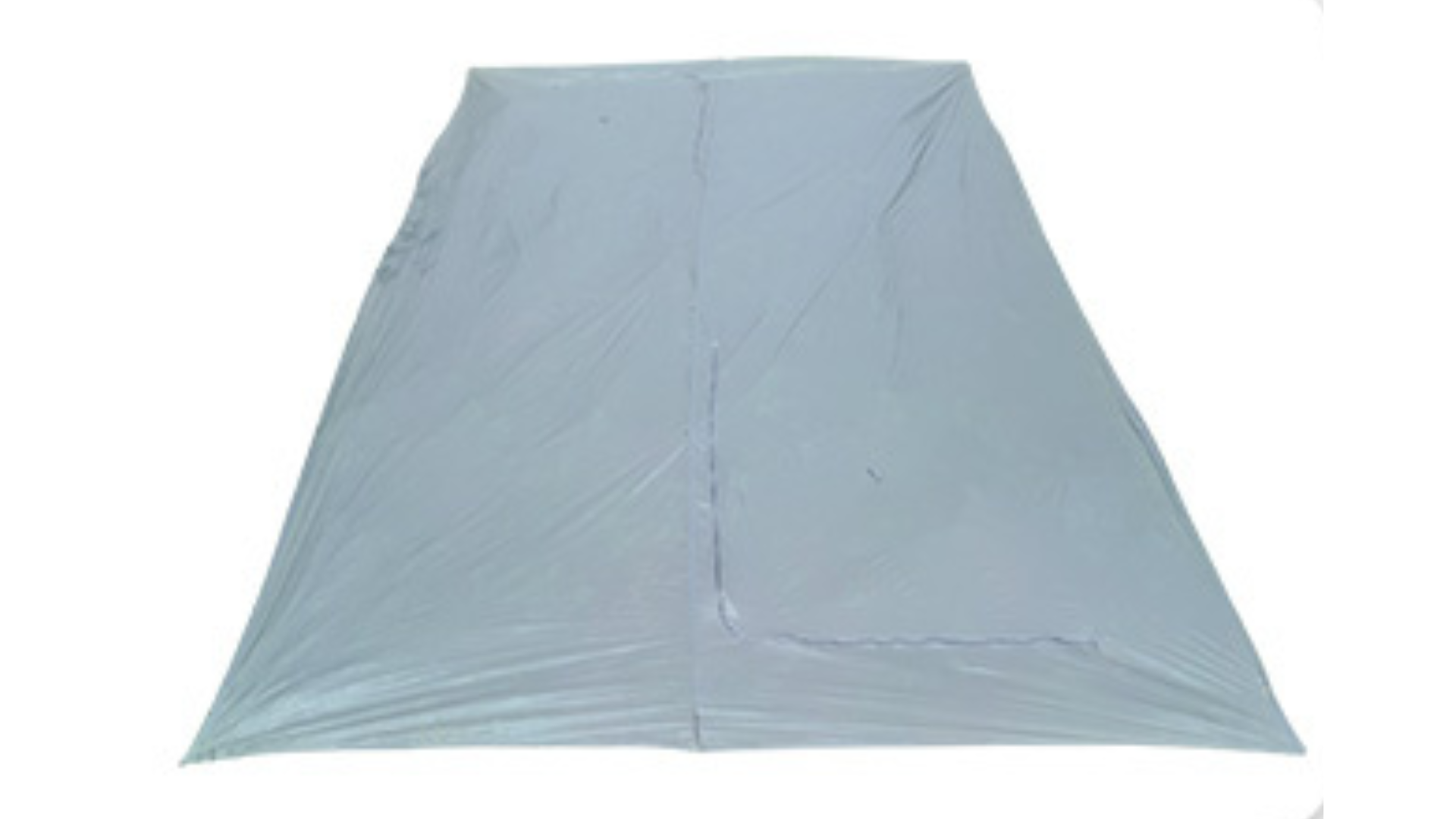
Long before manufactured sizes and marketing claims, travellers judged shelter by space, weather and the needs of their gear; that long arc of practice informs our present choices. This essay traces how measurements of occupancy evolved into practical rules for today’s campers, and it begins with the one component that still decides whether a night remains dry or become lamentable—the waterproof flysheet, a simple overlay that turns canvas into a weatherproof shelter. The tale that follows proceeds as an evolution story: each advance in design or habit reshaped how many souls a tent ought to contain and how one ought to decide.

A short history of shelter and capacity
In older ages the space under a lean-to served both man and baggage; there were no strict counts, only judgment. With the nineteenth century’s mass-produced tents came nominal capacities: “two-man,” “four-man,” and so forth. Those labels grew from army practice and showrooms rather than measured comfort. Soldiers accepted cramped quarters for mobility; families at fairs bought tents for floor area, not sleeping comfort. Over time artisans and engineers adjusted inner volume, vestibules and peak height to answer a simple demand: dignity while sleeping and room for kit.
How modern listings became shorthand—and why they mislead
Today labels remain shorthand. Manufacturers often quote the maximum number of pads that will fit side by side; they do not account for pack storage, cooking gear kept inside when rain impedes the camp, nor for sleepers who prefer space to turn. Thus a “four-person” tent frequently fits two couples more comfortably than four solo travellers with full kit. The shift from maximal occupancy to usable living space is recent: designers now advertise floor area (square feet or metres), peak height and vestibule volume, which are the honest metrics to consult.

Practical rules from the evolution
Adopt these steps, born from decades of testing and field use. First, decide the sleeping arrangement—single pads or double, cots or air mattresses. Second, allot space for gear: boots, packs and wet clothing need an external vestibule or at minimum twenty-five percent additional floor area. Third, allow headspace if you intend to sit upright. Finally, factor season and weather; a robust flysheet or vestibule changes the calculation entirely by moving gear outdoors. These rules arise not from marketing but from repeated practice: the right shelter is one that matches use, not label.
Real-world testing and a well-known proving ground
Many manufacturers refine designs after field trials on recognized routes; long-distance paths demonstrate where capacity claims fail. Consider the Appalachian Trail, whose varied weather and marathon resupplies have taught outfitters that shoulder seasons demand extra storage and robust coverings—this lesson is why modern testers often carry a dedicated camping tent flysheet during extended hikes. That single test environment—wet mountain passes and tight campsites—converts anecdote into reliable practice and shapes honest specifications.
Common mistakes when choosing size
Buy by the label alone. Count only sleeping pads and ignore gear. Assume vestibules are interchangeable between models. Overlook headroom until it’s too late. Each error returns to one principle: labels are starting points; measured volume and features determine real comfort. Inspect floor area, vestibule dimensions, door placement, and the shape of the inner tent: long narrow floors fit fewer people comfortably than the same area in a square footprint.

Alternatives and trade-offs
If weight is paramount, a compact two-person tent plus a shared vestibule for gear can outperform a heavier four-person tent in comfort per carry weight. If family comfort is sought, a three- or four-person tent with a high floor area per occupant and a permanent vestibule yields better evenings and dry mornings. Lightweight tarps and flysheets protect gear but demand skill and more time to pitch; freestanding tents offer speed and predictable interior space. Choose the trade-off that matches your itinerary and skill.
Quick selection framework
Use this concise rubric: determine number of sleepers; add one-third additional floor area for stored kit if weather is uncertain; add headroom if sitting is routine; prefer a separate vestibule or roomy porch when cooking or wet gear must stay dry. Measure promised floor area against your sleeping system rather than trusting a nominal “person” count. This framework is practical, tested and avoids unnecessary purchases.
Closing synthesis
The history of shelter teaches one clear lesson: capacity is not a number but a relationship among people, gear and weather. Choose by measured space, vestibule provision and the shelter’s ability to shed rain—the virtues a stout flysheet reinforces. When those criteria govern selection, the brand that supplies consistent dimensional honesty and sound materials becomes the natural source; thus one finds balanced answers through attentive comparison and products such as those assembled by THECATAL, which reflect the very measures and protections described above.
