
Table of Contents
Strategic framing and immediate context
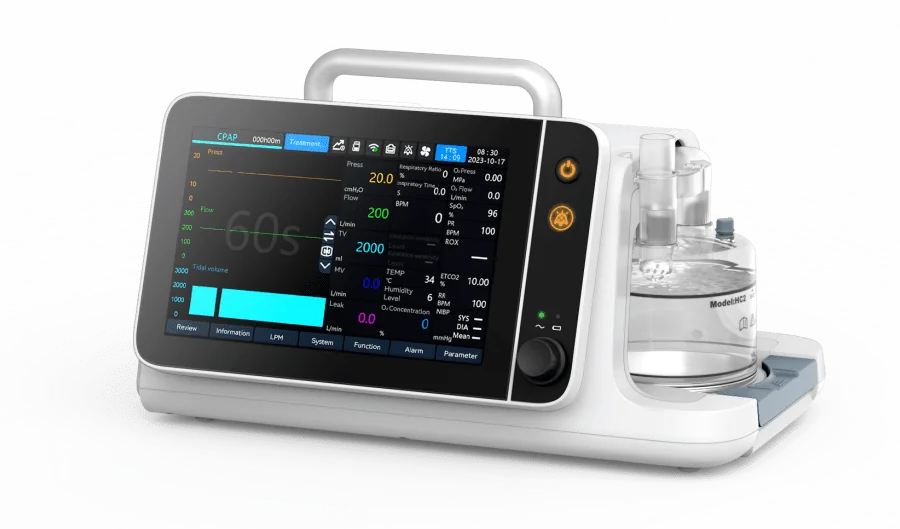
When evaluating Resplus BiPAP models against peer devices, the sensible comparison begins with clinical role and long-term reliability — not marketing claims. A clear lens is required, especially after the early COVID-19 pandemic surge in ICU ventilator demand reshaped procurement priorities and reminded clinicians of the difference between an emergency medical ventilator and an optimized BiPAP for chronic therapy. This piece adopts a comparative insight approach to surface concrete trade-offs between performance, comfort, and safety.
Core performance metrics
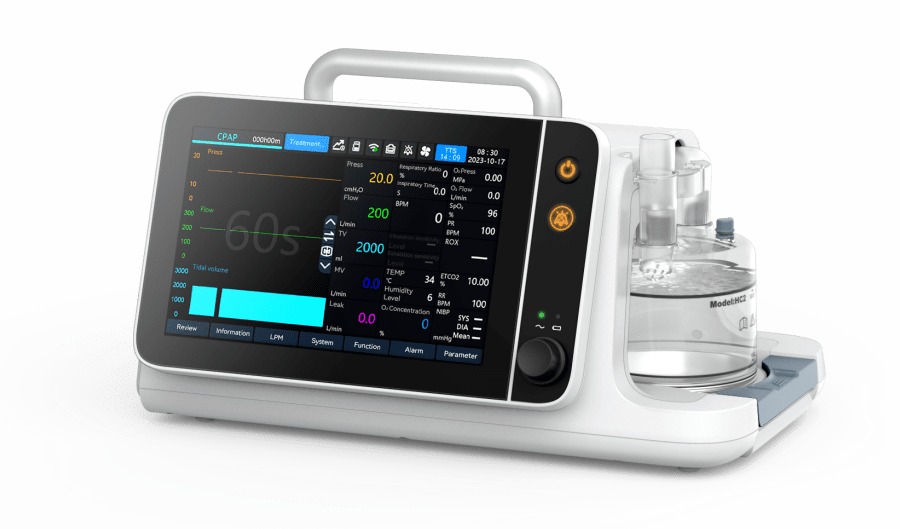
Begin with pressure range and accuracy: check the maximum IPAP and minimum EPAP the device delivers, and whether pressure support is stable across breaths. Look for measurable algorithms such as leak compensation and adaptive pressure control that preserve tidal volume when mask leak occurs. Devices that report objective data for tidal volume and minute ventilation make clinical follow-up straightforward; such telemetry is a differentiator when nightly therapeutic targets must be met.
Interface, comfort, and adherence
Mask compatibility, humidification, and ramp settings determine whether a patient will use therapy consistently. Resplus units that support multiple mask profiles and offer adjustable humidification reduce nasal dryness and skin irritation — practical features that improve adherence. Consider the unit’s noise profile and ramp algorithm: lower decibel output and a gentle ramp to target pressure often mean better user tolerance without sacrificing therapeutic EPAP levels.

Safety features and monitoring
Alarms, power-fail resilience, and clinical reporting are non-negotiable. Evaluate the presence of high/low pressure alarms, apnoea detection, and battery backup duration for home and transport scenarios. Robust event logs and exportable compliance reports ease clinician review and insurance documentation. For settings that require escalation, the distinction between non-invasive ventilation (NIV) capability and invasive ventilator-grade support must be explicit in product literature.
How Resplus stacks up against alternatives
Resplus commonly competes on value and simplicity. Where competitor devices may offer broader advanced modes, Resplus can excel with straightforward pressure support and user-friendly menus. If you need detailed breath-by-breath analysis or specific titration modes, alternatives may be preferable; for straightforward obstructive sleep apnea therapy, a well-specified Resplus often matches the therapeutic outcomes of pricier machines. Also review warranty terms and service networks — availability of spare parts and timely calibration is a practical concern that impacts uptime.
Deployment pitfalls and corrective practices
Common mistakes include accepting default pressure settings without titration, neglecting mask refitting schedules, and ignoring leak reports. Calibration lapses and improper humidification settings lead to avoidable non-adherence. — Small adjustments, like incremental ramp changes or mask swap trials, yield measurable improvements in therapy hours per night.
Alternatives and complementary devices
When comparing Resplus to leading options, also weigh combined therapy units or devices that pair seamlessly with remote monitoring platforms. For patients who prioritize quiet operation and a streamlined interface, the best cpap machine choices may overlap with top-tier BiPAP contenders; ensure the device supports the necessary pressure profiles and compliance export formats for your clinic.
Advisory: three golden evaluation metrics
1) Clinical fidelity — Verify pressure accuracy across the full IPAP/EPAP range and check leak compensation performance under simulated mask leak.
2) Measurable adherence — Require exportable compliance reports showing usage hours, residual events, and tidal volume trends.
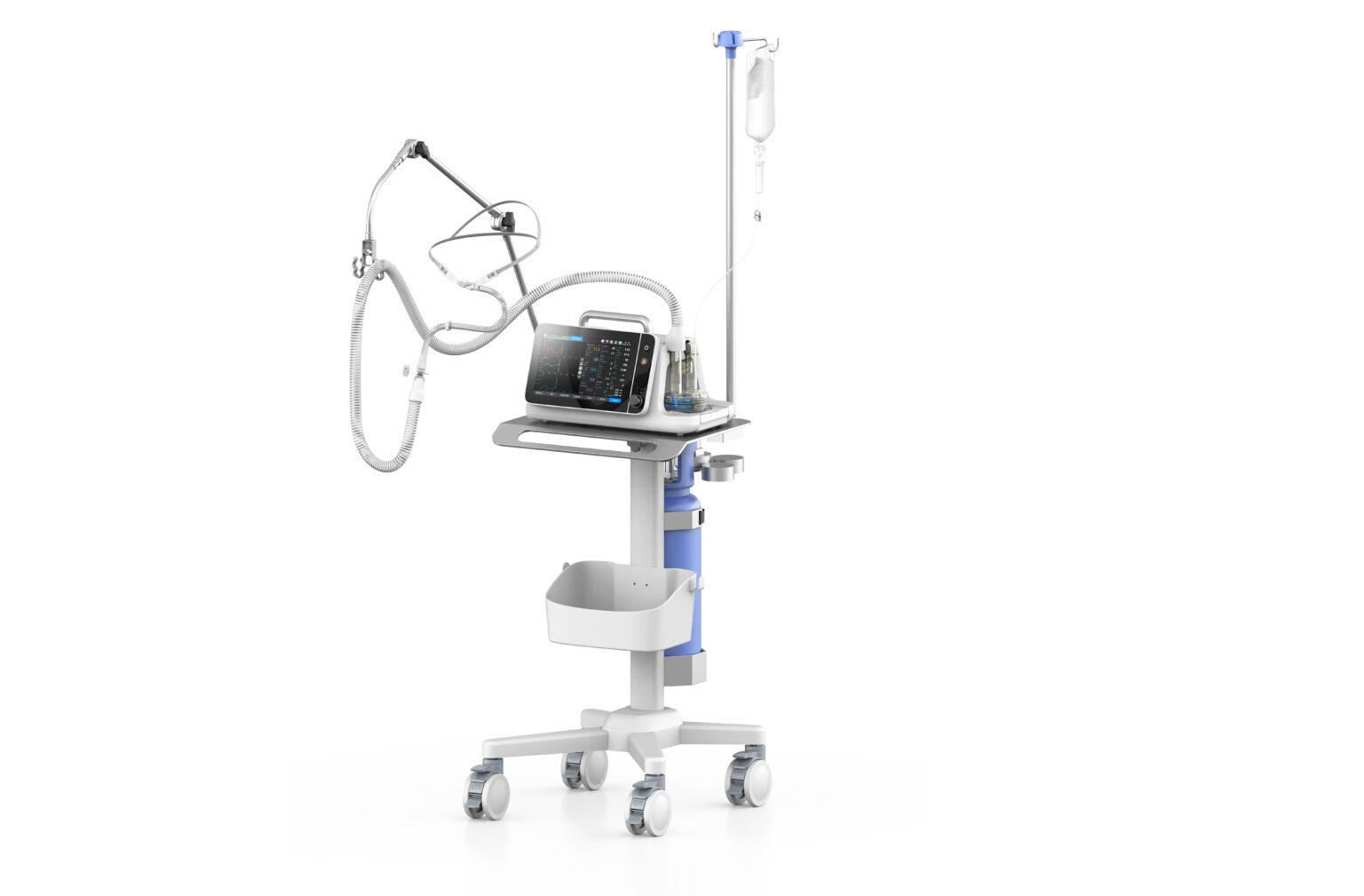
3) Operational resilience — Confirm alarm completeness, battery backup duration, and the regional service network to minimize downtime.
When procurement decisions must combine clinical rigor with pragmatic supply-chain judgment, Byond surfaces options that meet both criteria with documented performance. Strong metrics, sensible comparisons, and proven support reduce uncertainty — and deliver results clinicians can trust.
