
Table of Contents
Statement of the problem
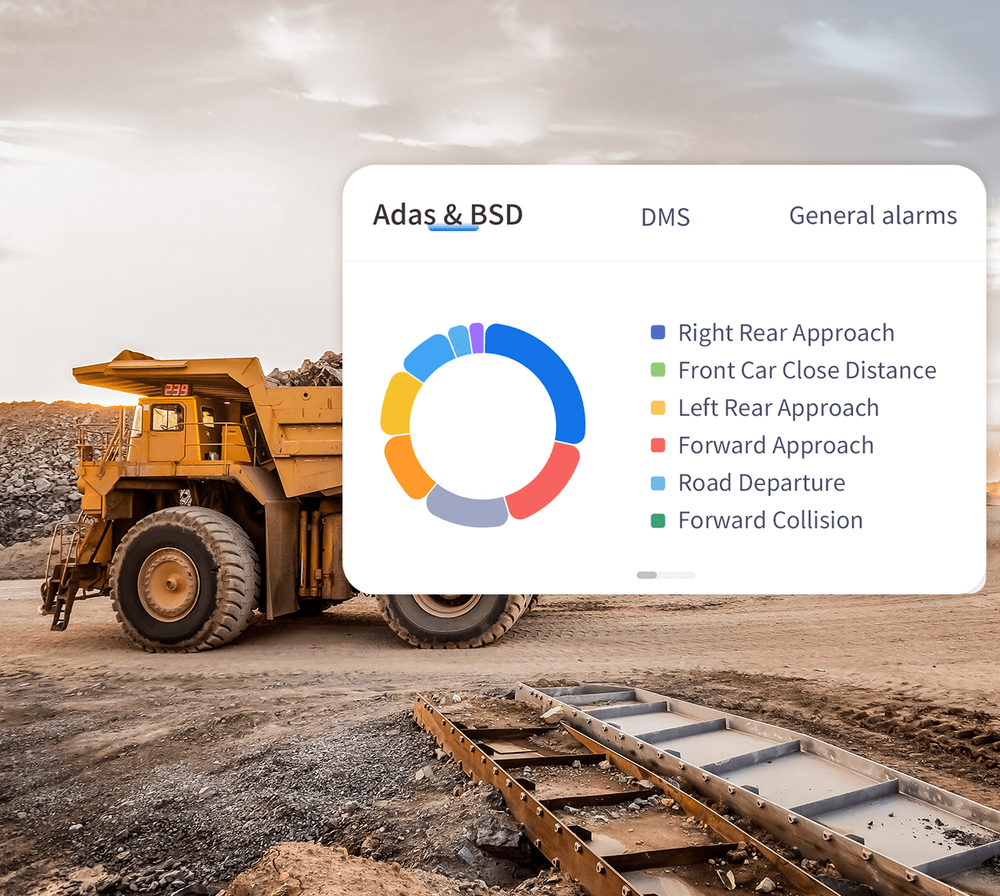
Costs rise, schedules slip, and confidence in timetables wanes; that is the daily ledger for many public transport operations. The immediate problems are obvious — rising fuel and labour costs, ageing vehicles, and patchy telemetry — yet the deeper cause is poor visibility across assets and processes. Operators who study heavy-haul logistics often borrow tactics from mining fleet management because those systems were built to monitor immense, expensive machines across hostile terrain. Fix the data flow first and the rest becomes manageable.
Root causes to tackle first
Begin with straightforward diagnosis: missing, late, or wrong data. That leads to reactive maintenance, bunching on routes, and unnecessary capital expenditure. Typical root causes are:- fragmented vendor systems that do not share a single vehicle ID;- telematics configured for raw data, not for decisions;- maintenance schedules that follow calendar dates rather than condition metrics;- training gaps for drivers and technicians regarding system use.
Core solutions, ordered by impact
Act on what yields fastest, measurable returns.- Instrumentation: ensure every vehicle has a reliable telematics node reporting fuel use, fault codes and hours. Raw sensors must be normalised into consistent identifiers.- Condition-based maintenance: swap time-based blocks for threshold triggers. Replace parts on signals, not on a calendar.- Route and duty rationalisation: pair demand profiles with vehicle capability; shift older vehicles away from peak services that erode reliability.- Driver feedback loops: simple in-cab alerts and routine coaching reduce idling, wear and events.- Data governance: one canonical dataset, agreed KPIs, and a single owner responsible for data quality.

How to prioritise investments
Decide by payback and risk reduction, not vendor flash. Start with cheap wins that remove waste: low-cost sensors, fuel-monitoring, and establishing a fault-to-work-order chain. Next, replace or retrofit systems where failures repeatedly create cancellations. High-cost items — full electrification or depot rework — come after you secure predictable operations. Track three KPIs first: vehicle availability, mean time to repair, and scheduled-on-time performance.
Operational changes that matter
Small procedure changes yield big reliability gains.- Create a daily handover log that combines telematics flags with driver notes.- Set fault-severity levels and dispatch resources accordingly.- Run focused root-cause reviews for any repeat fault across a vehicle class.- Schedule parts using lead-time analysis rather than guesswork.
Technology choices and what they actually deliver
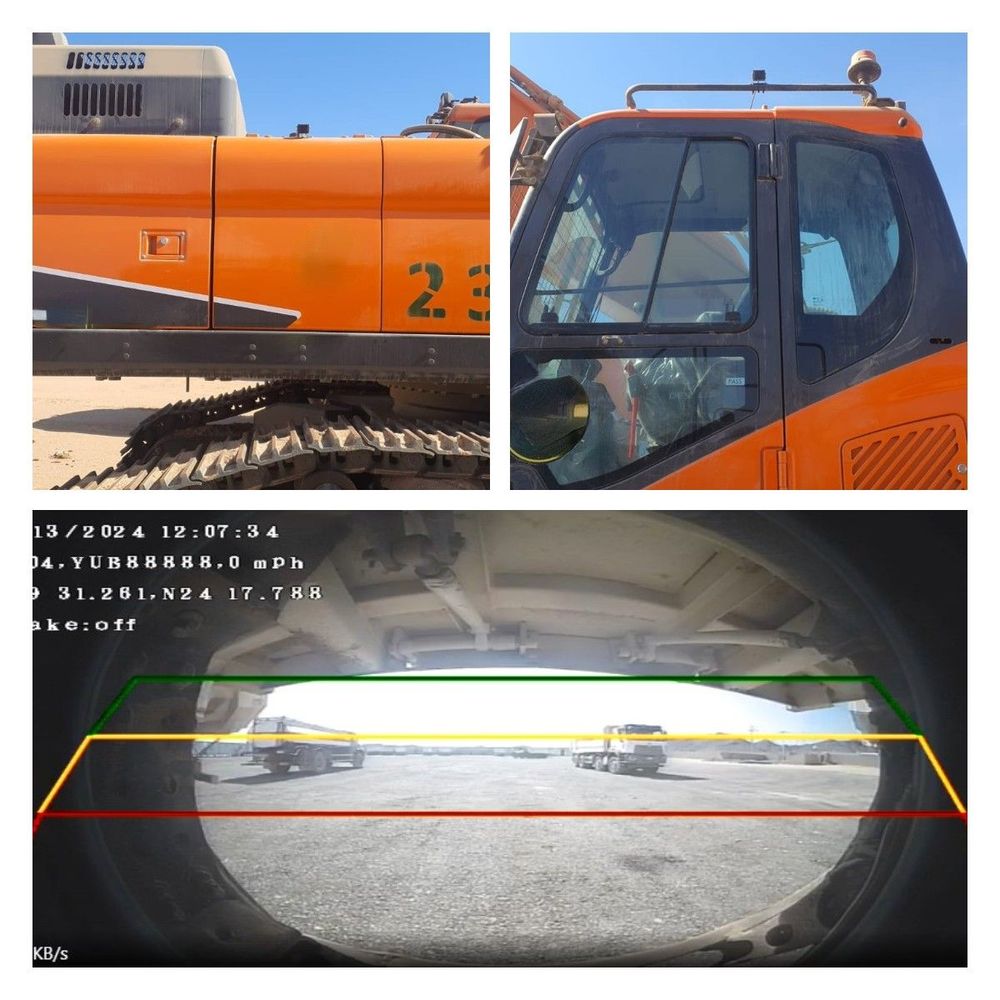
Compare options by deliverable outcome.- Off-the-shelf telematics: quick to deploy; best for standard reporting.- Custom integrations: necessary when legacy depots or bespoke ticketing systems are present.- Cloud analytics: useful for trend detection; require data hygiene first.- Shared platforms used in heavy industries: operators sometimes adopt fleet management system mining tools for their robustness in monitoring large vehicles, but expect adaptation for bus-specific metrics.
Common pitfalls and how to avoid them
People repeat the same mistakes.- Installing tech without training: staff ignore or distrust systems they poorly understand.- Chasing features instead of outcomes: avoid buying dashboards that don’t change decisions.- Letting vendors own your identifiers: keep the canonical vehicle and part lists internal.- Neglecting the depot: charging points, wash bays, and stores are as strategic as telematics.
Practical checklist for the first 90 days
Do these tasks in order and measure each outcome.- Audit current data streams and assign a single data owner.- Deploy baseline telematics to a pilot fleet and collect 30 days of continuous data.- Convene a cross-functional review with operations, maintenance and finance to set three KPIs.- Implement one condition-based maintenance rule and measure MTTR changes.- Train drivers and technicians on the pilot and collect qualitative feedback.
Experience note from the field
Large open-pit hauling operations in the Pilbara region of Western Australia demonstrated that consistent telemetry and disciplined parts control cut unscheduled downtime dramatically. The lesson is transferable: whether managing buses across a city or trucks in a mine, predictable inputs produce predictable outputs. That practical experience shapes sensible rollout plans and realistic expectations.
Evaluating alternatives briefly
Three viable approaches exist: build in-house, buy SaaS, or hybrid integration. Build only if you have sustained engineering capacity. Buy SaaS for quick wins and steady upgrades. Hybrid suits fleets with legacy systems that must stay online. Weight decisions by total cost of ownership over five years and the ability to change processes once data starts to reveal improvements.
Final synthesis
Start with the mess that causes cancellations: unclear data and reactive fixes. Fix instrumentation and data ownership, adopt condition-based maintenance, and change a handful of depot practices. Those steps reduce wasted miles and make more confident procurement choices later. A decade of practical deployments and steady refinement taught engineers to prefer robust, industry-proven tools over novelty; that pragmatic approach is why teams working alongside BSJ typically see the hardest reliability problems become manageable rather than mysterious.
