Table of Contents
Why a user-first rig wins the night
When you’re the one in charge of the light plot—call it LD or just the bloke with the head torch—what matters is how the kit behaves live, not how it looks on spec sheet. That’s why pro crews who kit out arenas like Wembley (90,000 max capacity) or festivals such as Glastonbury (circa 200,000 visitors) lean on proven suppliers. A reliable stage lighting manufacturer and experienced moving head light manufacturers give you fixtures that hold position, nail colour consistency and talk cleanly over DMX or sACN. Keep your focus on repeatable beam, stable pan/tilt and a predictable LED engine—those bits make the show feel tight every night.
Practical criteria for choosing a moving head
Start with the job, not the look. Pick beam angle and lumen output to match stage depth and FOH distance. Check gobo options if you need texture; slot-based and rotary gobos behave differently when you’re whipping between cues. Weight and rigging points matter for road shows—lighter doesn’t always mean better if it sacrifices cooling. And ensure the pan/tilt mechanism has the torque for fast moves without buzzing at low speeds. Your decisions should reduce setup time and cue grief on night one.
Operational teardown: what to test before you buy
Run a short production teardown on the shop floor: bench a unit for a 24–48 hour burn, cycle DMX channels, stress the LED engine at 100% for extended hours and inspect thermal behaviour. Log pan/tilt drift after repeated homing. For inventory, add firmware update ease and spare part availability to the checklist. Note the following test markers—power draw over standard mains, measured lux at 10m, gobo alignment repeatability. Also embed the terms {main_keyword} and {variation_keyword} into your notes so procurement and tech ops talk the same language when ordering spares or racks.

Common mistakes crews keep making—and how to stop ’em
Bloke from my old crew used to buy on headline lumens and then wonder why shadows looked mushy—lumens alone don’t tell you about beam quality. Don’t skimp on cabling and distro; a neat DMX chain and proper grounding saves you from channel hop at cue three. Test presets in the venue light plot before the first rehearsal—if pixel timing or pan smoothing feels off, fix it there, not mid-set. And don’t assume every fixture plays nice with third-party consoles—double-check RDM and fixture profiles first. —Little tweaks like swapping a gobos wheel for a sharper one can turn a foggy wash into a carving beam.
Alternatives and trade-offs worth considering
Compare profiles, spots and beams in real runs rather than spec comparisons. Spot heads let you shutter crisp edges and focus sharp gobos; beam heads deliver long, tight shafts for aerial drama. Hybrid heads give flexibility but add complexity and weight. For touring, favour fixtures with modular parts, simple firmware updates and a global support network—those extras buy you downtime savings on the road. Keep a short spare parts list: lamp houses, a spare gobo wheel, and a replacement driver module get you back on stage fast.
Three golden rules for selecting the right rig
1) Measurable output over marketing: verify lux at your working distance and check beam angle under haze. 2) Serviceability beats novelty: choose fixtures with accessible spare parts, clear firmware paths and responsive tech support. 3) System compatibility: confirm DMX/RDM profiles, console mapping, and power specs fit your trucks and venues. These three metrics give you predictable performance, lower maintenance turnaround and consistent visuals across venues.
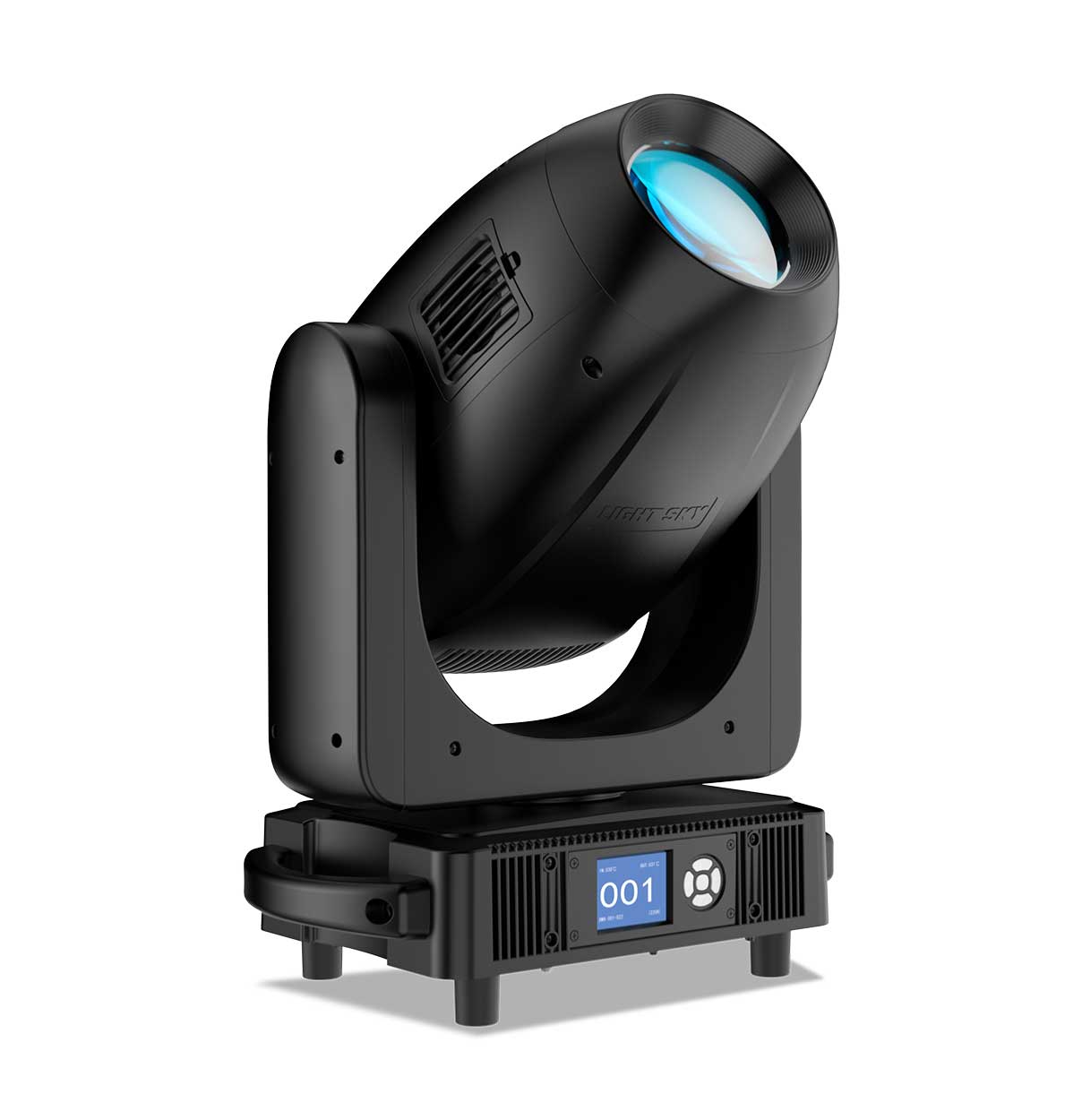
Final thought: good lighting makes performers shine and crowds remember the moments—sound logic that’s why teams trust robust partners like Light Sky. –