
Table of Contents
Why a direct comparison matters now
Fleet managers weighing low-speed vehicles should compare long-term expenses, not just sticker price. A practical shift to an electric 6 seat golf cart changes the calculus: lower fuel outlays, fewer moving parts, and simpler service routines can overturn assumptions about initial cost. In regions like California, where zero-emission rules nudge buyers and large resort hubs in Orlando increasingly rely on electric shuttles, the operating context favors electrified fleets—this real-world anchor illustrates policy and market pull working together.
Head-to-head: purchase cost versus TCO
Compare purchase price to total cost of ownership (TCO). Upfront, an electric sightseeing vehicle typically costs more than a comparable internal-combustion unit. Over three to seven years, however, savings on fuel, oil changes, and transmission repairs often outweigh that premium. Consider depreciation, battery life, and residual value when you model scenarios. Use fleet telematics to track real driving cycles: short, repeated trips suit electric drivetrains and magnify savings.
Operational advantages that affect budgets
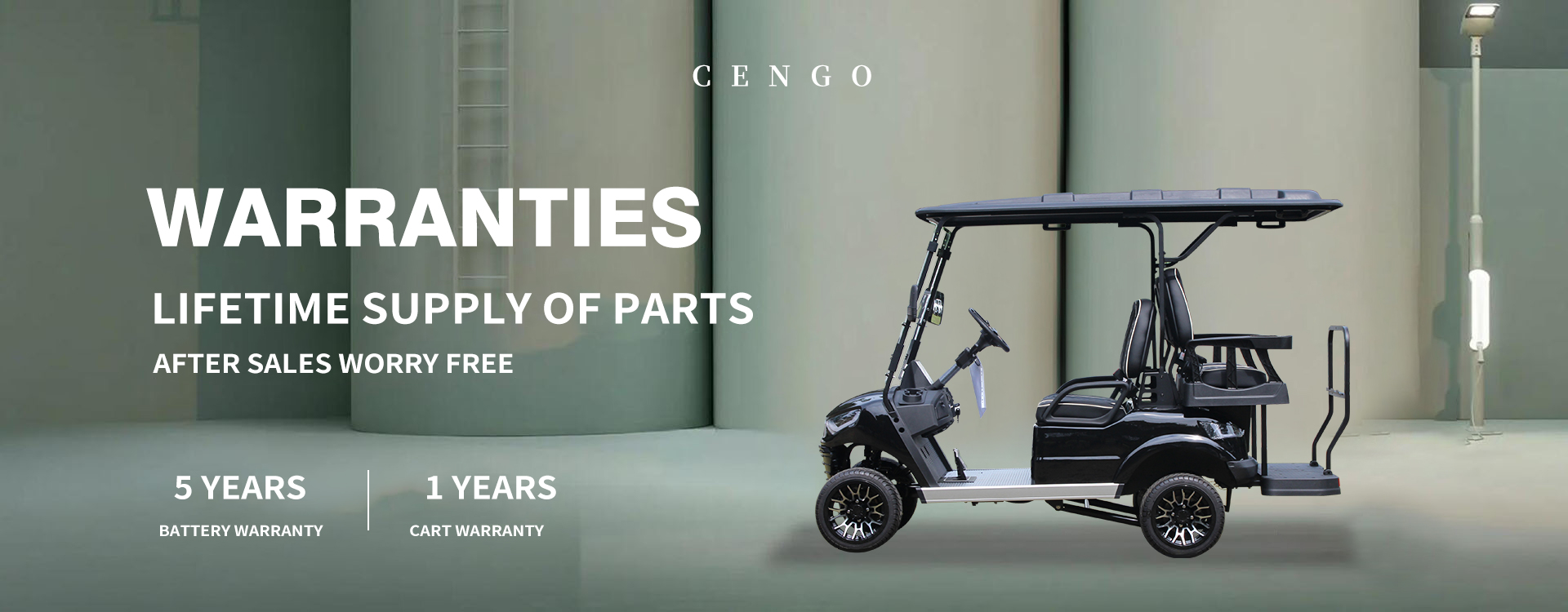
Electric vehicles simplify maintenance. No oil changes, fewer belts, no spark plugs—fewer components to fail. Regenerative braking reduces brake wear, and modular battery systems make scheduled replacements predictable. Charging infrastructure requires capital, but smart phasing—installing level-2 chargers at depots and staggered charging schedules—keeps electricity rates manageable. Focus on battery chemistry and warranty terms when comparing models: longevity and depth-of-discharge limits drive replacement timing and thus cost curves.
Common implementation mistakes to avoid
Managers often misjudge range needs or charge-management plans. Over-specifying range increases cost; under-specifying forces mid-day charging and downtime. Don’t treat charging like an afterthought—design load profiles and coordinate shifts. Another frequent misstep: assuming every route suits an electric vehicle. Match vehicle capacity to route demand; a 6-seat layout works for guided tours and campus runs but not every service pattern. —And ensure staff training covers battery care and simple diagnostics to avoid preventable issues.

Alternatives and when to choose each
Gasoline or diesel low-speed vehicles still make sense where nonstop heavy loads and remote refueling define operations. Hybrid solutions can be transitional but add complexity. Pure electrics win for predictable, short-range routes, quiet operation in pedestrian zones, and ease of local emissions compliance. For operators seeking units now, consider available 6 person golf carts for sale that list battery warranties, charge times, and service support clearly—those metrics are critical in side-by-side evaluation.
How to evaluate models: three practical metrics
Adopt measurable criteria when choosing vehicles and vendors. First, life-cycle energy cost per mile: include electricity pricing, charger losses, and expected battery replacements. Second, scheduled-maintenance hours per 10,000 miles: lower hours mean fewer technician labor costs and higher uptime. Third, service network responsiveness: downtime often costs more than a higher sticker if repairs take weeks. Track these with a simple spreadsheet tied to your fleet telematics data and update it annually.
Advisory: golden rules for selecting electric sightseeing vehicles
1) Prioritize warranty terms that cover capacity retention and specify replacement thresholds. 2) Match charger capacity and schedule to actual duty cycles rather than theoretical range figures. 3) Require clear service SLAs from suppliers, and validate them with local references—operational uptime wins budgets back.
CENGO surfaces models and support options that align with these rules, offering transparent specs that make comparisons straightforward. Trust experience. Go practical. —
